When most people talk about SEO, they focus on keywords, backlinks, or on-page optimization — but there’s one underrated factor that quietly strengthens your authority and user trust: outbound links SEO.
Outbound links are the links that lead from your website to another trusted source. For example, linking to Google’s SEO Starter Guide or a reputable industry report.
While many website owners worry about “losing traffic” by linking out, the truth is: outbound links can actually improve your SEO — when used strategically.
In this guide, we’ll break down everything you need to know about outbound links for SEO, including why they matter, how to use them properly, and what mistakes to avoid.
What Are Outbound Links in SEO?
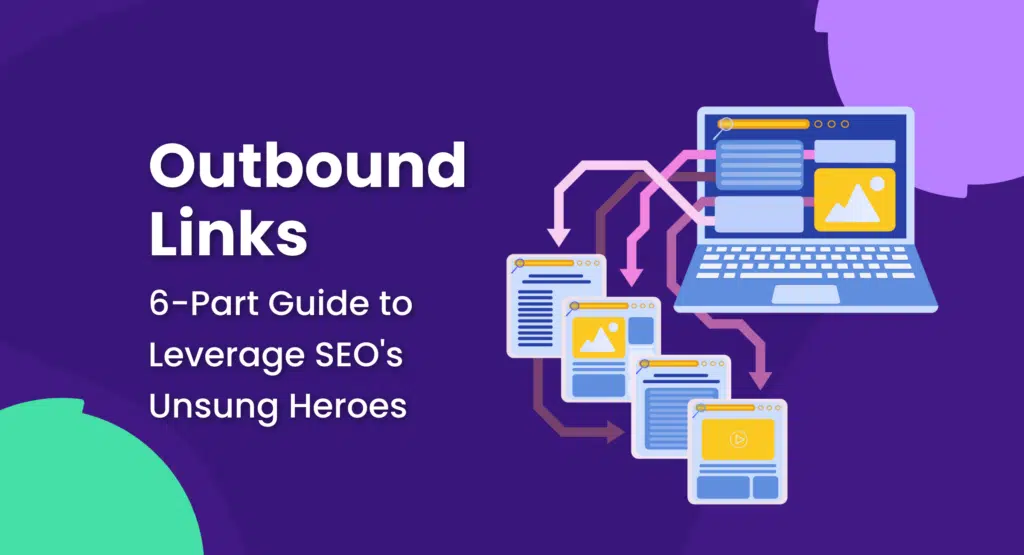
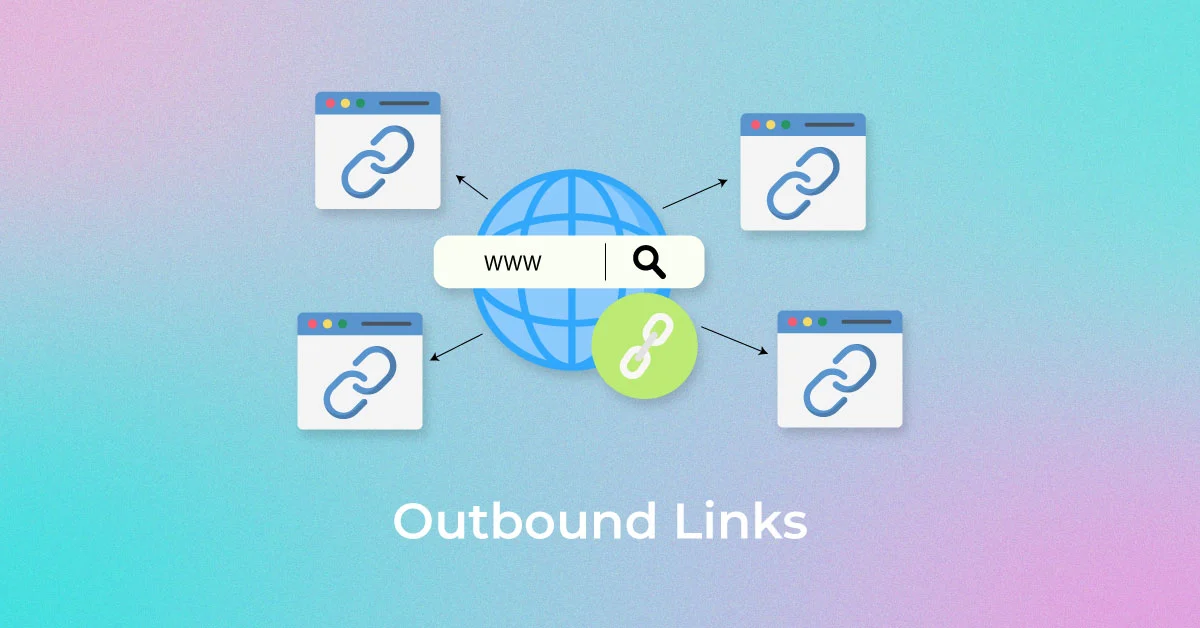
Outbound links (also known as external links) are hyperlinks on your website that point to another domain or website.
For example:
👉 If your blog links to www.searchenginejournal.com, that’s an outbound link.
These links help users access related, helpful, or authoritative content.
And for Google, outbound links signal that your content is well-researched and connected to other trustworthy resources.
Types of Outbound Links SEO
There are two main types of outbound links, and both play a role in SEO:
Dofollow Links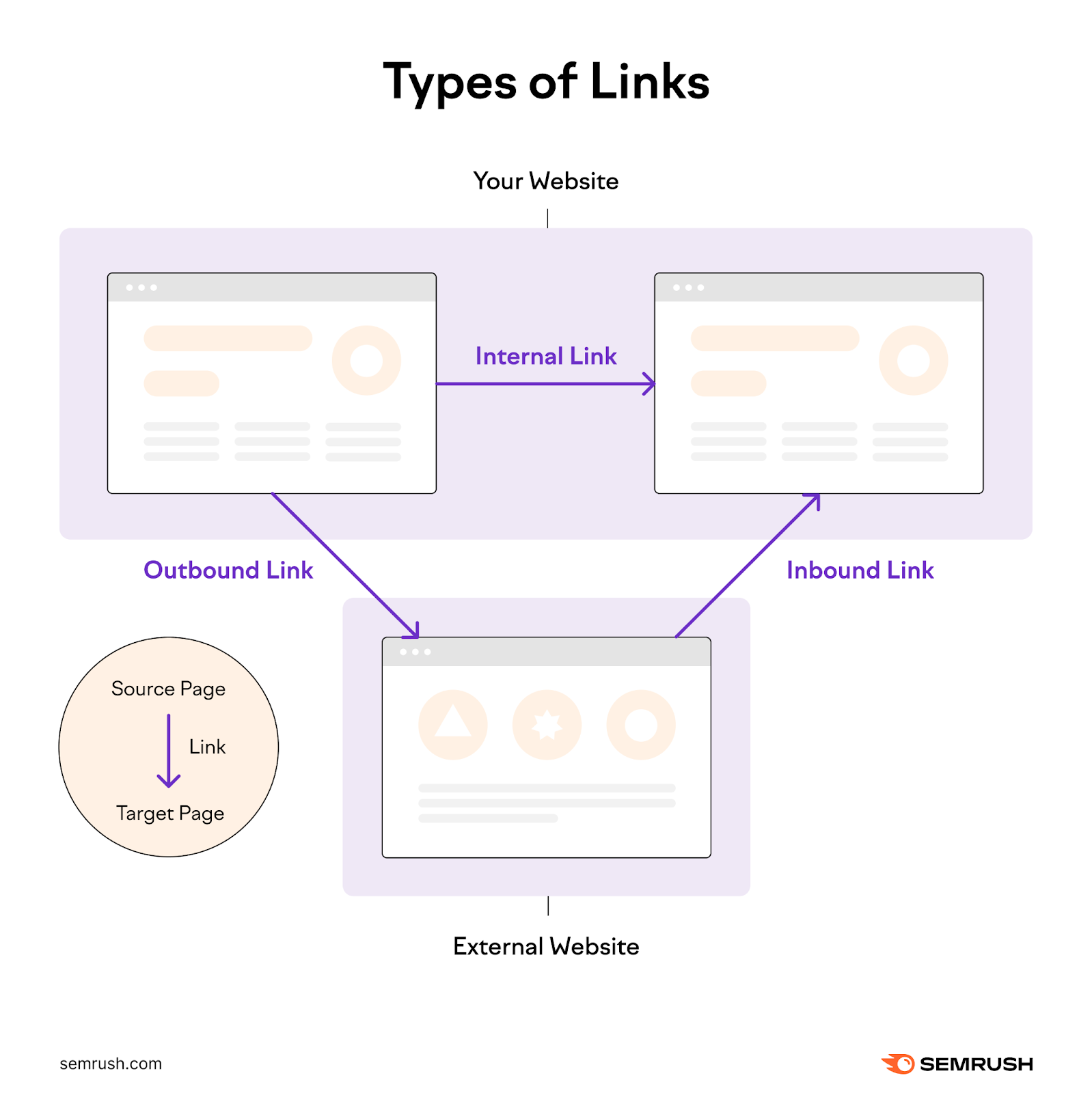
These are standard outbound links that pass link equity (SEO value) to the destination website.
Example:<a href=”https://moz.com” target=”_blank”>SEO resources by Moz</a>
This signals to search engines that your site trusts and endorses the linked website.
Nofollow Links
These links don’t pass SEO authority to the target page. They are used when you want to link to a site without endorsing it — for example, in user-generated content or affiliate links.
Example:
<a href=”https://example.com” rel=”nofollow”>Sponsored content</a>
Pro Tip:
Google treats “nofollow,” “sponsored,” and “ugc” (user-generated content) as hints — not strict rules. It can still choose to crawl or count them if relevant.
Why Outbound Links Matter for SEO
Contrary to a common myth, linking to other websites won’t hurt your rankings — it often helps.
- Here’s why outbound links are essential in SEO:
-
They Improve Content Credibility
- When you link to reliable, high-authority websites, your content appears more trustworthy.Google views your page as part of a network of valuable resources — not a standalone, isolated page.
- They Enhance User Experience
- Outbound links give readers access to deeper insights, data, or explanations.This improves engagement time and signals to Google that users find your content helpful.
- They Strengthen Topical Relevance
- When you link to other pages about the same topic, you reinforce your content’s semantic relationship.
- Example: A blog on “keyword research” linking to Google’s Keyword Planner strengthens topical authority.
- They Build Relationships
- Outbound linking can help you connect with other sites in your niche — which can lead to backlinks later. When you link to others, they notice.
- They Help Google Understand Context
- Google’s algorithms use links (both inbound and outbound) to understand how pages are related.
- Outbound links provide context clues about your page’s subject.
How Outbound Links Affect SEO Ranking

Let’s be clear — outbound links alone won’t skyrocket your page to #1.
But they support your on-page SEO by:
- Reinforcing your topical depth
- Reducing bounce rate through user satisfaction
- Increasing perceived content quality
- Supporting E-E-A-T (Experience, Expertise, Authoritativeness, Trustworthiness)
- Studies by Moz, Ahrefs, and Reboot Online have shown that pages with relevant outbound links often rank higher than those without any external references.
- In short: linking to valuable external sources = stronger content signal.
Best Practices for Outbound Links SEO
Here’s how to use outbound links effectively to boost your rankings and maintain authority:
Link to Authoritative Websites
Always choose reliable, well-known sources.
Examples:
Official sites (.gov, .edu)
Industry leaders (Google, Moz, HubSpot, Ahrefs)
Reputable news or data platforms (Statista, Search Engine Journal)
Avoid linking to spammy, low-quality, or irrelevant sites — it can hurt your credibility.
-
Keep Links Contextual and Relevant
-
Your outbound links should add context or value to the sentence they’re placed in.
-
Example:“According to Google’s SEO Starter Guide, creating clear site architecture improves crawlability.”
-
Avoid random or forced outbound links — they confuse both readers and search engines.
-
Use Natural Anchor Text
The clickable text (anchor text) should describe the content of the page you’re linking to.
Examples:
- ✅ “Read the official Shopify SEO guide”
- 🚫 “Click here” or “Read more”Keep anchor text short, descriptive, and keyword-relevant.
-
Liit the Number of Outbound Links SEO
-
Don’t overdo it — a page filled with too many external links can distract readers and look spammy.Aim for 2–5 high-quality outbound links per 1,000 words.
-
Open Outbound Links SEO in a New Tab
- Always set external links to open in a new browser tab using target=”_blank”.
This keeps visitors on your site while still allowing them to explore external content -
Regularly Check for Broken Links
-
Over time, some outbound links may break or lead to 404 errors.
-
Use tools like:
-
Broken Link Checker
-
Ahrefs Site Audit
-
Screaming Frog
Update or remove broken links regularly — they hurt both SEO and user trust.
-
Add Nofollow for Sponsored or Affiliate Links
If you’re linking to partners, advertisers, or affiliate products, always add:
rel=”nofollow sponsored”
This keeps your SEO profile clean and transparent.
. Keep a Balanced Link Profile
Your content should include a mix of:
- Internal links → pointing to your own pages
- Outbound links → pointing to credible sources
- Inbound links → links from other websitesThis balance creates a healthy link ecosystem.
Outbound Links vs Inbound Links vs Internal Links image
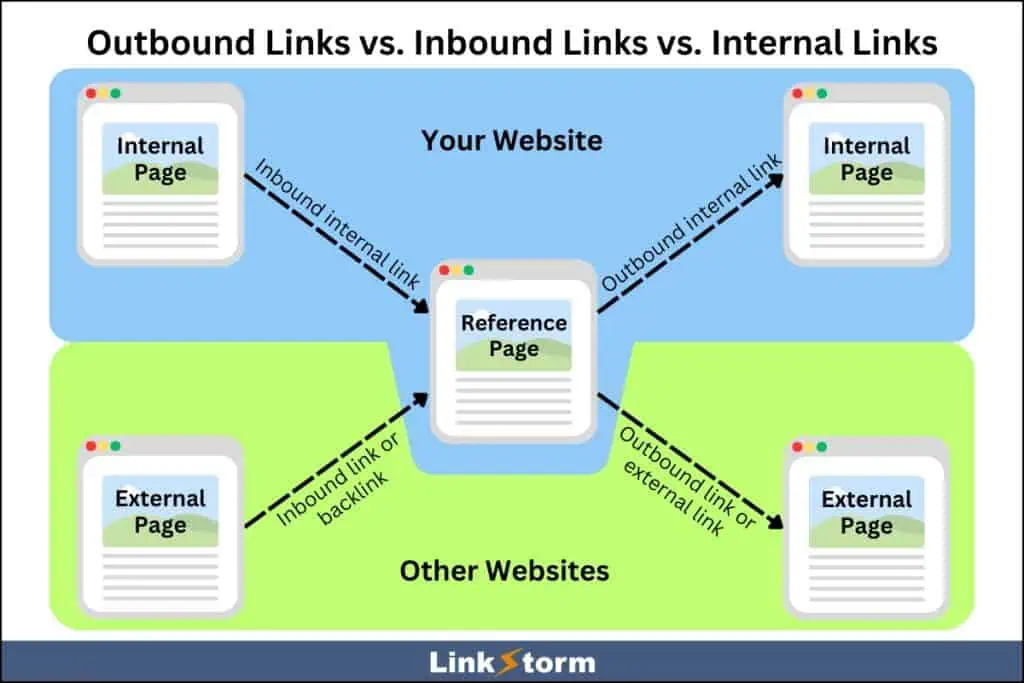
To understand outbound links better, let’s compare the three major types of SEO links:
| Link Type | Definition | Example | SEO Impact |
| Inbound Links (Backlinks) | Links from other websites to yours | A blog links to your article | High SEO authority |
| Outbound Links | Links from your website to others | You link to a source | Improves trust & context |
| Internal Links | Links within your own site | Blog → Product page | Boosts site structure & navigation |
- All three work together to build a strong SEO foundation.
Common Mistakes to Avoid with Outbound Links SEO
While outbound linking is beneficial, doing it wrong can cause problems.
Here are the biggest mistakes to avoid:
- Linking to competitors on money pages
- Using irrelevant or spammy links
- Overloading pages with too many external links
- Using “click here” anchor text everywhere
- Ignoring broken links
- Linking to low-quality or fake news sources
- Every outbound link should serve a purpose — either support the content or enhance user understanding.
Tools to Manage and Audit Outbound Links SEO
Here are some tools to help track and optimize your outbound links for better SEO:
| Tool | Function |
| Ahrefs Site Audit | Checks outbound link health |
| Google Search Console | Monitors external linking performance |
| Screaming Frog SEO Spider | Finds broken or redirected outbound links |
| Link Whisper | Suggests smart internal and outbound linking opportunities |
| Moz Pro | Analyzes link profiles and authority |
| BrokenLinkCheck.com | Free tool for detecting broken links |
- Regularly auditing your outbound links keeps your website healthy and SEO-friendly.
Advanced Outbound Linking Strategies
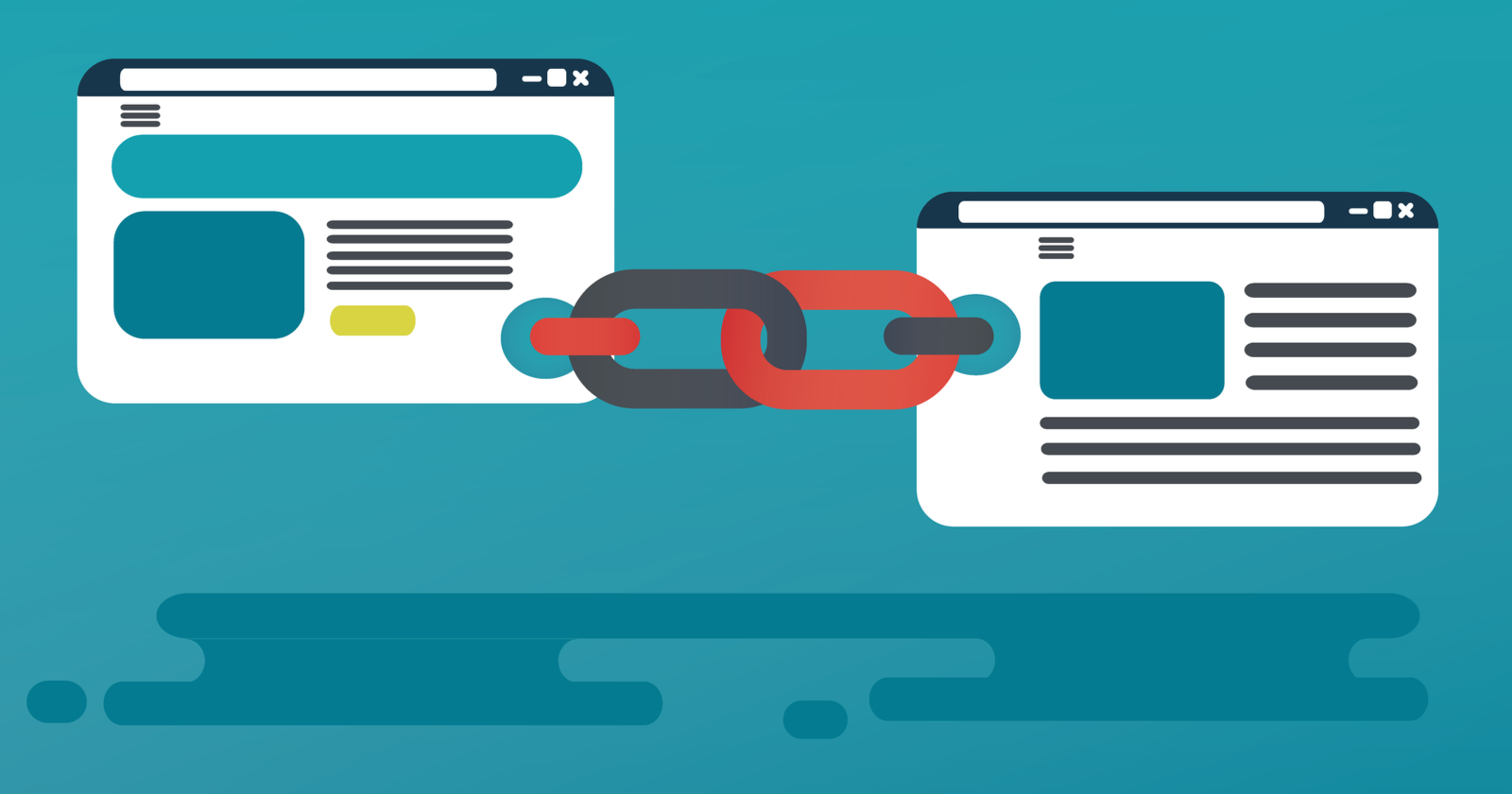
- If you’re already covering the basics, take it to the next level with these advanced tactics:
-
Use Outbound Links for Co-Citation SEO
-
When your page and another authoritative site are linked from multiple sources, it creates co-citation — helping Google associate you with trusted brands.
- Combine Outbound Links SEO with Schema Markup
-
Use schema (structured data) to tell Google how your outbound links relate to your content. For example, marking citations, references, or authorship.
- Reference Case Studies or Research Papers
Citing reliable data sources through outbound links makes your content more authoritative and earns higher engagement.
Create a Link Policy Page
- Outline your link philosophy and ensure transparency. This is great for brand credibility and compliance.
-
The SEO Impact of Outbound Links SEO: Case Study Example
-
A study by Reboot Online tested two groups of websites:
-
One set included outbound links to relevant, high-authority sources.
The other set included no outbound links at all.
Result:The group with outbound links ranked significantly higher for the same keywords.
- This shows that smart linking enhances Google’s understanding of your page’s relevance — proving that outbound links are a positive SEO signal
- Outbound Links SEO Placement: Where to Add Them
- The placement of your links mTatters as much as the link itself.
- Best Places to Add Outbound Links:
- Within the main body of your content
- In research or data reference sections
- In “Further Reading” or “Sources” lists
- Within blog posts linking to studies, guides, or tools
- Avoid adding outbound links in navigation menus or headers — they distract users and reduce site flow.
- Outbound Links Checklist (2025 Edition)
- Here’s a quick recap of everything you need for strong outbound link SEO:
- Link to trusted, relevant websites
- Use natural, descriptive anchor text
- Limit 2–5 outbound links per 1,000 word
Use “nofollow” for sponsored/affiliate links - Open external links in new tabs
- Regularly audit for broken or redirected links
- Keep your content-to-link ratio balanced
- Combine outbound with strong internal links
- Following this checklist ensures your outbound linking strategy helps — not hurts — your SEO performance.
- Final Thoughts: Outbound Links SEO Are a Sign of Quality
Outbound Links SEO are not about sending traffic away — they’re about building trust, authority, and credibility.
Google wants to see that you’re part of a healthy, information-rich ecosystem — and smart outbound linking does exactly that.
- When used wisely, outbound links
- Strengthen your content’s context
- Build audience trust
- Support SEO rankings indirectly
- Encourage better user engagementSo, the next time you publish a blog or web page, remember:
- Don’t fear linking out — fear not linking at all.
- Quick Summary Table
| Aspect | Best Practice |
| Link Type | Dofollow (trusted sources), Nofollow (ads/affiliates) |
| Ideal Number | 2–5 per 1,000 words |
| Anchor Text | Natural, descriptive |
| Destination | Authoritative, relevant sites |
| Open In | New tab (target=”_blank”) |
| Regular Check | Every 3–6 months |
Visited My Another Blogs